

Blockchain technology has moved far beyond early experimentation and niche use cases. It now influences how organizations think about data security, transparency, and operational trust. As adoption expands, so does the need for structured learning that goes beyond surface level explanations. Professionals entering this space often face a steep learning curve, shaped by technical concepts, business implications, and evolving standards. 101 Blockchains addresses this challenge by focusing on clarity, applied understanding, and real world relevance rather than abstract theory.
The platform’s value lies in its ability to translate complex ideas into structured learning paths. Instead of overwhelming readers with jargon, it emphasizes progression, starting with foundational concepts and building toward advanced applications. This approach reflects a broader shift in how people want to learn about emerging technologies, with emphasis on usefulness, context, and credibility.
TL;DR
This article examines how structured 101 Blockchains learning supports blockchain adoption, why practical education matters for professionals, and how clear frameworks help bridge the gap between theory and application. It covers the role of skill based learning, common misconceptions, and what to look for when choosing educational resources. The focus remains on long term understanding, career relevance, and informed decision making.

Why Structured Learning Matters in Blockchain
101 Blockchains is often discussed as a single concept, but in practice, it includes multiple technologies, architectures, and use cases. Without structure, learners can struggle to connect these pieces into a coherent understanding. Random articles and fragmented tutorials may provide information, but they rarely build competence.
Structured learning paths help learners progress logically. Concepts like consensus mechanisms, smart contracts, and distributed ledgers become easier to grasp when presented in context. This reduces frustration and increases retention, especially for professionals balancing learning with work responsibilities.
Clear structure also supports confidence. When learners understand how topics connect, they are more likely to apply knowledge in practical scenarios. This is particularly important for enterprise environments where decisions have operational and financial consequences.
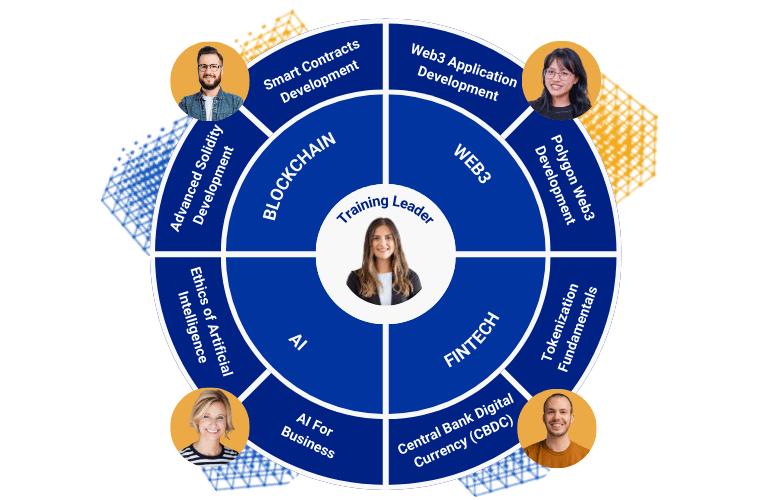
Bridging Theory and Real World Application
One of the most common barriers in 101 Blockchains adoption is the gap between theory and implementation. Many resources explain how blockchain works, but fewer address how it fits into business models, compliance frameworks, and existing systems.
Practical education focuses on use cases rather than hype. It explores how blockchain can improve supply chain transparency, identity management, or data integrity without overstating its capabilities. This balanced perspective helps learners develop realistic expectations.
By grounding lessons in real scenarios, educational platforms help professionals think critically. Instead of asking whether blockchain is revolutionary, learners begin to ask where it adds value and where it may not. This mindset is essential for responsible adoption and long term success.

Key Skills Professionals Aim to Develop
101 Blockchains learning is not limited to developers. Business leaders, consultants, and analysts also seek understanding that supports strategic decisions. Effective education addresses this diversity by offering content tailored to different roles.
- Understanding core blockchain architecture and terminology
- Evaluating use cases for enterprise environments
- Assessing risks related to security and governance
- Interpreting regulatory and compliance considerations
- Communicating blockchain value to non technical stakeholders
These skills support informed participation in projects and discussions, even for those who are not writing code.

Addressing Common Misconceptions
Misunderstandings can slow adoption and lead to poor decisions. Education plays a critical role in correcting these assumptions and providing balanced insight.
101 Blockchains is often perceived as synonymous with cryptocurrency, which overlooks its broader applications. Others assume it guarantees security without considering implementation quality. Some expect immediate cost savings, ignoring the investment required for integration and training.
Clear explanations help learners separate myth from reality. When misconceptions are addressed early, professionals can approach projects with appropriate caution and confidence. This leads to better planning and more sustainable outcomes.

Choosing the Right Learning Resources
Not all educational content delivers the same value. Quality resources prioritize accuracy, relevance, and progression. They are designed to support learning over time rather than quick consumption.
101 Blockchains positions itself around professional education, focusing on enterprise relevance and structured development. Its approach reflects the needs of learners who want depth without unnecessary complexity. By emphasizing blockchain education as a discipline rather than a trend, it supports long term skill building.
When selecting resources, learners benefit from considering credibility, clarity, and practical focus. Courses and articles should evolve with the field while maintaining foundational principles. This balance helps learners stay adaptable without constantly restarting their education.
Blockchain education continues to grow in importance as organizations explore decentralized solutions. Clear learning frameworks empower professionals to engage thoughtfully, ask better questions, and contribute meaningfully to projects. As the technology matures, the demand for informed perspectives will only increase.
For individuals exploring this field, the path forward begins with intention. Choosing structured, practical resources helps turn curiosity into capability. With consistent effort and the right guidance, blockchain education becomes less about keeping up and more about building lasting expertise.